
Custom orthotics, or shoe inserts, should be periodically replaced. Orthotics must fit properly to give you the best results. Protect your feet and ankles!
Custom orthotics, or shoe inserts, should be periodically replaced. Orthotics must fit properly to give you the best results. Protect your feet and ankles!
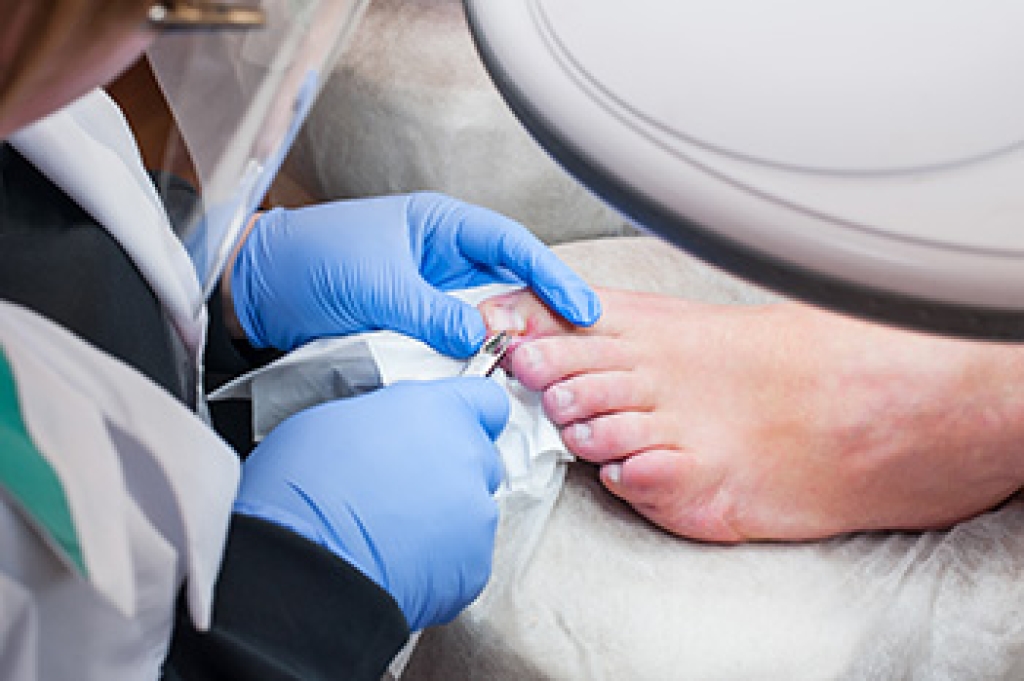
An ingrown toenail occurs when the edge of the nail grows into the surrounding skin, leading to irritation and discomfort. Symptoms include redness, swelling, tenderness, and sometimes drainage if the area becomes irritated. Risk factors include improper nail trimming, tight footwear, injury, and natural nail shape. When conservative care does not relieve symptoms, a partial nail avulsion may be recommended. This procedure involves carefully removing a small portion of the affected nail to relieve pressure and allow the area to heal. It is often advised for those with recurring or painful ingrown nails. A podiatrist can safely perform this treatment, provide care, and help prevent future issues of this kind. If you have developed a painful ingrown toenail, it is suggested that you consult a podiatrist who can provide effective relief and treatment solutions, which may include minor surgery.
Foot surgery is sometimes necessary to treat a foot ailment. To learn more, contact one of our podiatrists of Summit Podiatry. Our doctors will assist you with all of your foot and ankle needs.
When Is Surgery Necessary?
Foot and ankle surgery is generally reserved for cases in which less invasive, conservative procedures have failed to alleviate the problem. Some of the cases in which surgery may be necessary include:
What Types of Surgery Are There?
The type of surgery you receive will depend on the nature of the problem you have. Some of the possible surgeries include:
Benefits of Surgery
Although surgery is usually a last resort, it can provide more complete pain relief compared to non-surgical methods and may allow you to finally resume full activity.
Surgical techniques have also become increasingly sophisticated. Techniques like endoscopic surgery allow for smaller incisions and faster recovery times.
If you have any questions, please feel free to contact one of our offices located in Wilmington, Whiteville, and Wallace, NC . We offer the newest diagnostic and treatment technologies for all your foot care needs.
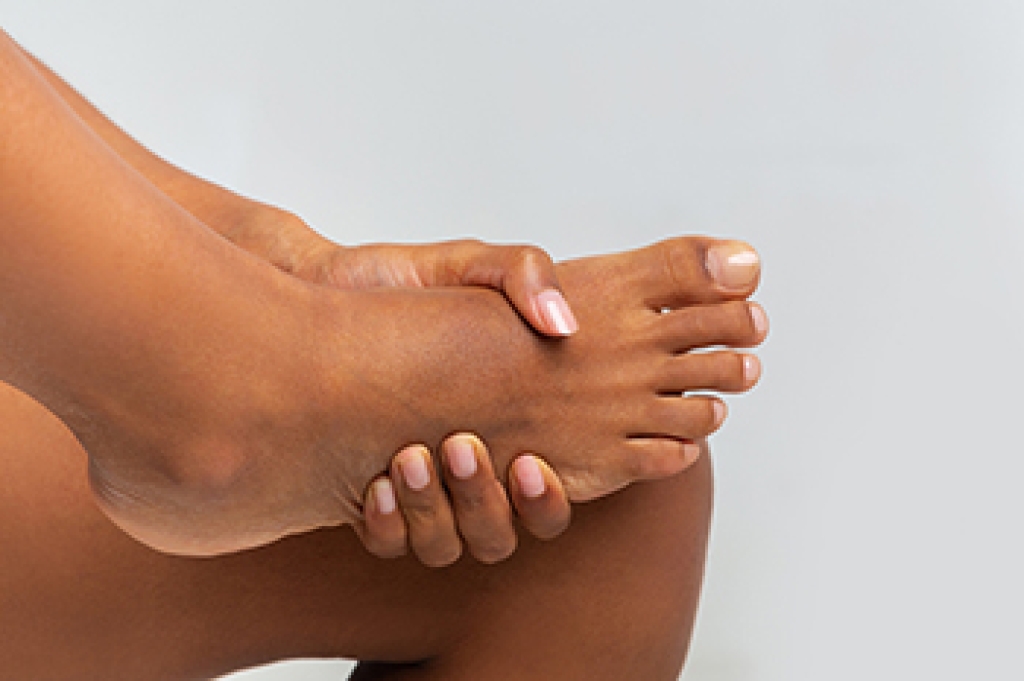
Wearing the wrong shoes can place stress on the feet and lead to long-term discomfort. High heels can cause muscle contraction in the calves and feet, which may make it difficult to walk barefoot over time. Very flat shoes can concentrate pressure on the heels and force muscles and tendons to work harder for support, which may contribute to plantar fasciitis. Shoes that are the wrong size can constrict the front of the foot and toes, increasing the risk of corns and bunions. Risk factors include poor fit, lack of support, and prolonged wear of improper footwear. A podiatrist can evaluate foot health, recommend proper shoes, and provide treatment. If you have foot pain from wearing certain types of shoes, it is suggested that you consult a podiatrist who can offer effective relief tips and guide you footwear selection.
Foot Pain
Foot pain can be extremely painful and debilitating. If you have a foot pain, consult with one of our podiatrists from Summit Podiatry. Our doctors will assess your condition and provide you with quality foot and ankle treatment.
Causes
Foot pain is a very broad condition that could be caused by one or more ailments. The most common include:
Diagnosis
To figure out the cause of foot pain, podiatrists utilize several different methods. This can range from simple visual inspections and sensation tests to X-rays and MRI scans. Prior medical history, family medical history, and any recent physical traumatic events will all be taken into consideration for a proper diagnosis.
Treatment
Treatment depends upon the cause of the foot pain. Whether it is resting, staying off the foot, or having surgery; podiatrists have a number of treatment options available for foot pain.
If you have any questions, please feel free to contact one of our offices located in Wilmington, Whiteville, and Wallace, NC . We offer the newest diagnostic and treatment technologies for all your foot care needs.
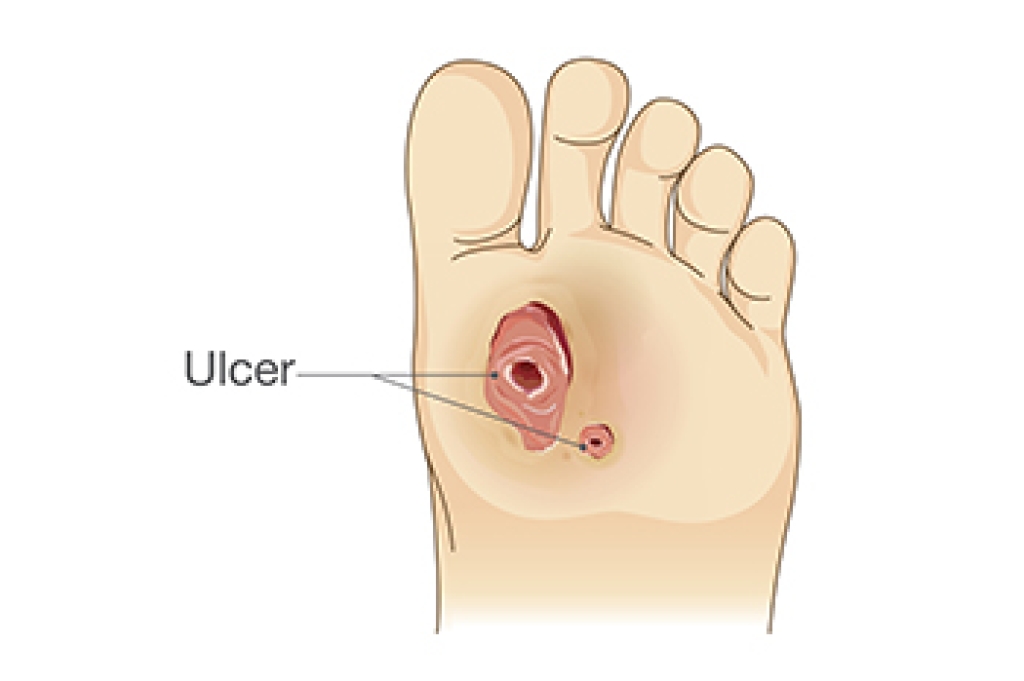
A diabetic foot ulcer is an open sore that develops on the foot due to poor circulation. It can be missed because of reduced sensation associated with diabetes. These ulcers often form from pressure, minor injuries, or irritation that goes unnoticed. Risk factors include high blood sugar levels, nerve damage, poor footwear, and limited blood flow. Antibiotics are not typically used for uninfected ulcers, as they are intended to treat bacterial infections rather than promote healing. Proper wound care, pressure relief, and monitoring are essential for recovery. A podiatrist can assess the ulcer, provide specialized treatment, and help prevent complications. Early care can protect foot health and reduce risks. If you have diabetes and have developed a foot wound or ulcer, it is strongly suggested that you are under the care of a podiatrist who can offer effective relief and management solutions.
Wound care is an important part in dealing with diabetes. If you have diabetes and a foot wound or would like more information about wound care for diabetics, consult with one of our podiatrists from Summit Podiatry. Our doctors will assess your condition and provide you with quality foot and ankle treatment.
What Is Wound Care?
Wound care is the practice of taking proper care of a wound. This can range from the smallest to the largest of wounds. While everyone can benefit from proper wound care, it is much more important for diabetics. Diabetics often suffer from poor blood circulation which causes wounds to heal much slower than they would in a non-diabetic.
What Is the Importance of Wound Care?
While it may not seem apparent with small ulcers on the foot, for diabetics, any size ulcer can become infected. Diabetics often also suffer from neuropathy, or nerve loss. This means they might not even feel when they have an ulcer on their foot. If the wound becomes severely infected, amputation may be necessary. Therefore, it is of the upmost importance to properly care for any and all foot wounds.
How to Care for Wounds
The best way to care for foot wounds is to prevent them. For diabetics, this means daily inspections of the feet for any signs of abnormalities or ulcers. It is also recommended to see a podiatrist several times a year for a foot inspection. If you do have an ulcer, run the wound under water to clear dirt from the wound; then apply antibiotic ointment to the wound and cover with a bandage. Bandages should be changed daily and keeping pressure off the wound is smart. It is advised to see a podiatrist, who can keep an eye on it.
If you have any questions please contact one of our offices located in Wilmington, Whiteville, and Wallace, NC . We offer the newest diagnostic and treatment technologies for all your foot and ankle needs.
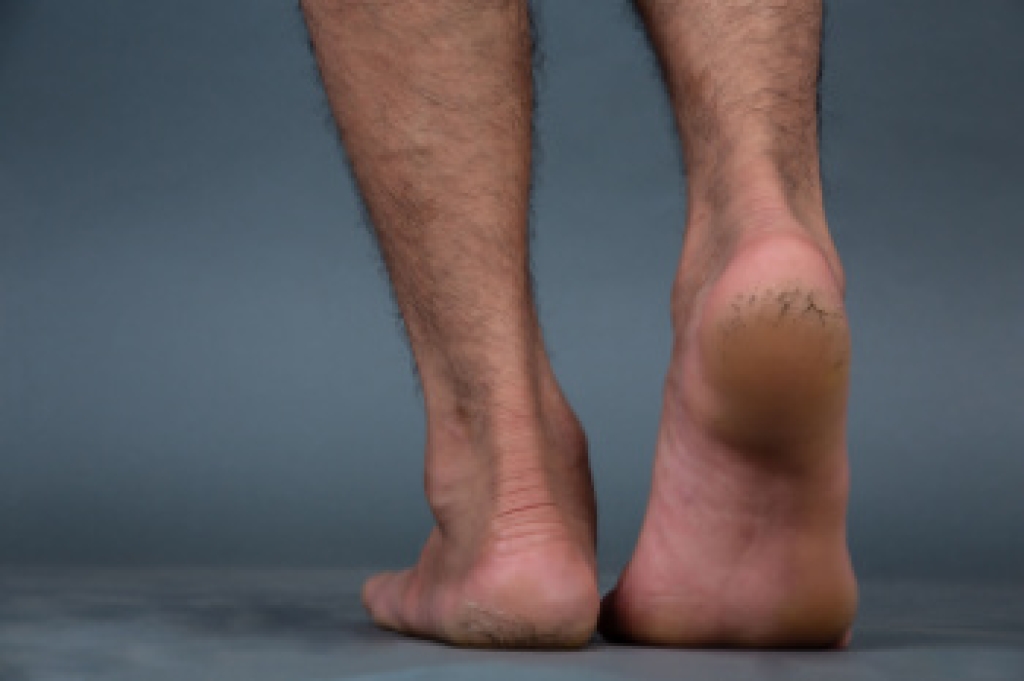
Cracked heels develop when the skin around the heel becomes dry, thick, and splits due to pressure and lack of moisture. Causes include prolonged standing, wearing open-back shoes, and footwear that does not properly support the heel, which increases stress on the skin. Dry climates can worsen the condition by removing natural moisture. Risk factors include obesity, aging, and poor foot-care habits. Symptoms include rough skin, flaking, discomfort, and painful fissures that can deepen if untreated. A podiatrist can assess severity, remove thickened skin safely, recommend treatments, and provide guidance on proper footwear and hydration. Cracked heels can be painful. If you have developed this condition, it is suggested that you consult a podiatrist who can offer effective treatment solutions, which may include prescribed medication.
If the skin on your feet starts to crack, you may want to see a podiatrist to find treatment. If you have any concerns, contact one of our podiatrists from Summit Podiatry. Our doctors can provide the care you need to keep you pain-free and on your feet.
Cracked Heels
It is important to moisturize your cracked heels in order to prevent pain, bleeding, and infection. The reason cracked heels form is because the skin on the foot is too dry to support the immense pressure placed on them. When the foot expands, the dry skin on the foot begins to split.
Ways to Help Heal Them
Ways to Prevent Cracked Heels
If you are unsure how to proceed in treating cracked heels, seek guidance from a podiatrist. Your doctor will help you with any questions or information you may need.
If you have any questions, please feel free to contact one of our offices located in Wilmington, Whiteville, and Wallace, NC . We offer the newest diagnostic and treatment technologies for all your foot care needs.
Connect With Us
