
Your feet are covered most of the day. If you're diabetic, periodic screening is important for good health. Numbness is often a sign of diabetic foot and can mask a sore or wound.
Your feet are covered most of the day. If you're diabetic, periodic screening is important for good health. Numbness is often a sign of diabetic foot and can mask a sore or wound.

Foot issues, such as plantar fasciitis, heel spurs, and claw toes, can significantly impact daily life. Plantar fasciitis is an inflammation of the plantar fascia, the thick band of tissue connecting the heel to the toes, causing sharp heel pain, especially in the morning. Heel spurs are bony protrusions that can develop on the heel bone, often linked to plantar fasciitis, leading to persistent pain and discomfort. Claw toes occur when the toe joints bend excessively, resulting in a claw-like appearance. Symptoms include pain, redness, and difficulty wearing shoes comfortably. Experiencing persistent symptoms warrant professional evaluation. A podiatrist might recommend custom orthotics, targeted exercises, or, in some cases, surgery to address the underlying issues. If you are experiencing foot pain or discomfort, it is suggested you schedule an appointment with a podiatrist for an accurate diagnosis and effective treatment options tailored to your needs.
Foot Pain
Foot pain can be extremely painful and debilitating. If you have a foot pain, consult with one of our podiatrists from Summit Podiatry. Our doctors will assess your condition and provide you with quality foot and ankle treatment.
Causes
Foot pain is a very broad condition that could be caused by one or more ailments. The most common include:
Diagnosis
To figure out the cause of foot pain, podiatrists utilize several different methods. This can range from simple visual inspections and sensation tests to X-rays and MRI scans. Prior medical history, family medical history, and any recent physical traumatic events will all be taken into consideration for a proper diagnosis.
Treatment
Treatment depends upon the cause of the foot pain. Whether it is resting, staying off the foot, or having surgery; podiatrists have a number of treatment options available for foot pain.
If you have any questions, please feel free to contact one of our offices located in Wilmington, Whiteville, and Wallace, NC . We offer the newest diagnostic and treatment technologies for all your foot care needs.

Foot surgery for plantar fasciitis is considered when conservative treatments fail to alleviate persistent pain. One common procedure is the plantar fascia release, where the podiatric surgeon cuts part of the fascia to relieve tension and reduce inflammation. This can be done through traditional open surgery or an endoscopic procedure, which utilizes small incisions and a camera for a minimally invasive approach. The endoscopic method often results in less postoperative pain and quicker recovery times. However, as with any surgery, there are potential risks, including infection, nerve damage, and the possibility of persistent pain. Patients may also experience complications, such as scarring or limited mobility during recovery. If you have plantar fasciitis, it is suggested that you confer with a podiatrist who can determine if surgery is right for you.
Foot surgery is sometimes necessary to treat a foot ailment. To learn more, contact one of our podiatrists of Summit Podiatry. Our doctors will assist you with all of your foot and ankle needs.
When Is Surgery Necessary?
Foot and ankle surgery is generally reserved for cases in which less invasive, conservative procedures have failed to alleviate the problem. Some of the cases in which surgery may be necessary include:
What Types of Surgery Are There?
The type of surgery you receive will depend on the nature of the problem you have. Some of the possible surgeries include:
Benefits of Surgery
Although surgery is usually a last resort, it can provide more complete pain relief compared to non-surgical methods and may allow you to finally resume full activity.
Surgical techniques have also become increasingly sophisticated. Techniques like endoscopic surgery allow for smaller incisions and faster recovery times.
If you have any questions, please feel free to contact one of our offices located in Wilmington, Whiteville, and Wallace, NC . We offer the newest diagnostic and treatment technologies for all your foot care needs.
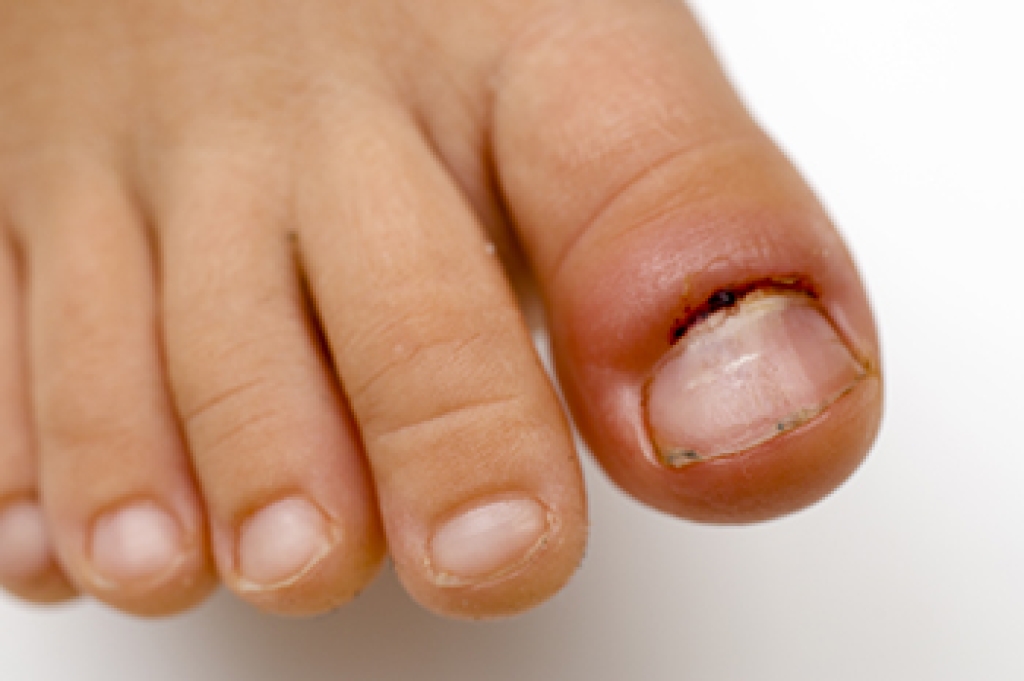
A toe infection is an inflammatory condition that affects the tissues surrounding the toe, often resulting in pain, swelling, and redness. Common causes of toe infections are fungal and bacterial infections. Fungal infections, such as athlete's foot, thrive in warm, moist environments and can spread to the toenails, leading to discoloration and brittleness. Bacterial infections can arise from cuts, blisters, or ingrown toenails, leading to increased pain and pus formation. Diagnosing a toe infection typically involves a physical examination by a podiatrist, who may take a sample of any discharge for laboratory testing. Imaging studies might be used to assess the extent of the infection. If you are experiencing any of the above symptoms and feel you may have a toe infection, it is strongly suggested that you promptly consult a podiatrist who can effectively treat this condition.
Toe pain can disrupt your daily activities. If you have any concerns, contact one of our podiatrists of Summit Podiatry. Our doctors can provide the care you need to keep you pain-free and on your feet.
What Causes Toe Pain?
Most severe toe pain is caused due to a sports injury, trauma from dropping something heavy on the toe, or bumping into something rigid. Other problems can develop over time for various reasons.
Toe pain can be caused by one or more ailments. The most common include:
When to See a Podiatrist
Diagnosis
In many cases the cause of toe pain is obvious, but in others, a podiatrist may want to use more advanced methods to determine the problem. These can range from simple visual inspections and sensation tests to X-rays and MRI scans. Prior medical history, family medical history, and any recent physical traumatic events will all be taken into consideration for a proper diagnosis.
Treatment
Treatments for toe pain and injuries vary and may include shoe inserts, padding, taping, medicines, injections, and in some cases, surgery. If you believe that you have broken a toe, please see a podiatrist as soon as possible.
If you have any questions please contact one of our offices located in Wilmington, Whiteville, and Wallace, NC . We offer the newest diagnostic and treatment technologies for all your foot and ankle needs.
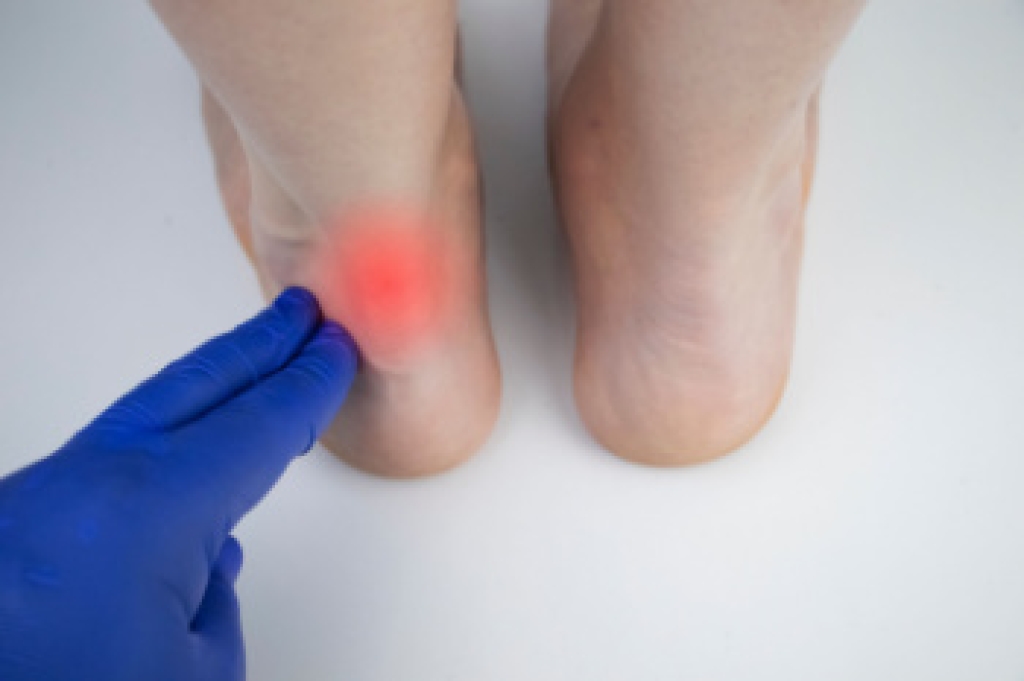
Achilles tendon injuries are relatively common, particularly among athletes and active individuals. The Achilles tendon, which connects the calf muscles to the heel bone, is prone to strains and tears due to its role in walking, running, and jumping. Common causes of injury include sudden increases in physical activity, such as jumping or sprinting, and inadequate warm-up exercises. Risk factors for Achilles tendon injuries include age, as the tendon weakens with time, and conditions like obesity, which places extra stress on the tendon. Individuals with poor flexibility or muscle imbalances are also at a higher risk. Wearing inappropriate footwear or having a history of previous tendon injuries can further increase susceptibility. An Achilles tendon injury can cause extreme pain and discomfort. If you have sustained this type of injury, it is suggested that you consult a podiatrist who can effectively treat this condition.
Achilles tendon injuries need immediate attention to avoid future complications. If you have any concerns, contact one of our podiatrists of Summit Podiatry. Our doctors can provide the care you need to keep you pain-free and on your feet.
What Is the Achilles Tendon?
The Achilles tendon is a tendon that connects the lower leg muscles and calf to the heel of the foot. It is the strongest tendon in the human body and is essential for making movement possible. Because this tendon is such an integral part of the body, any injuries to it can create immense difficulties and should immediately be presented to a doctor.
What Are the Symptoms of an Achilles Tendon Injury?
There are various types of injuries that can affect the Achilles tendon. The two most common injuries are Achilles tendinitis and ruptures of the tendon.
Achilles Tendinitis Symptoms
Rupture Symptoms
Treatment and Prevention
Achilles tendon injuries are diagnosed by a thorough physical evaluation, which can include an MRI. Treatment involves rest, physical therapy, and in some cases, surgery. However, various preventative measures can be taken to avoid these injuries, such as:
If you have any questions please feel free to contact one of our offices located in Wilmington, Whiteville, and Wallace, NC . We offer the newest diagnostic tools and technology to treat your foot and ankle needs.
Connect With Us
